

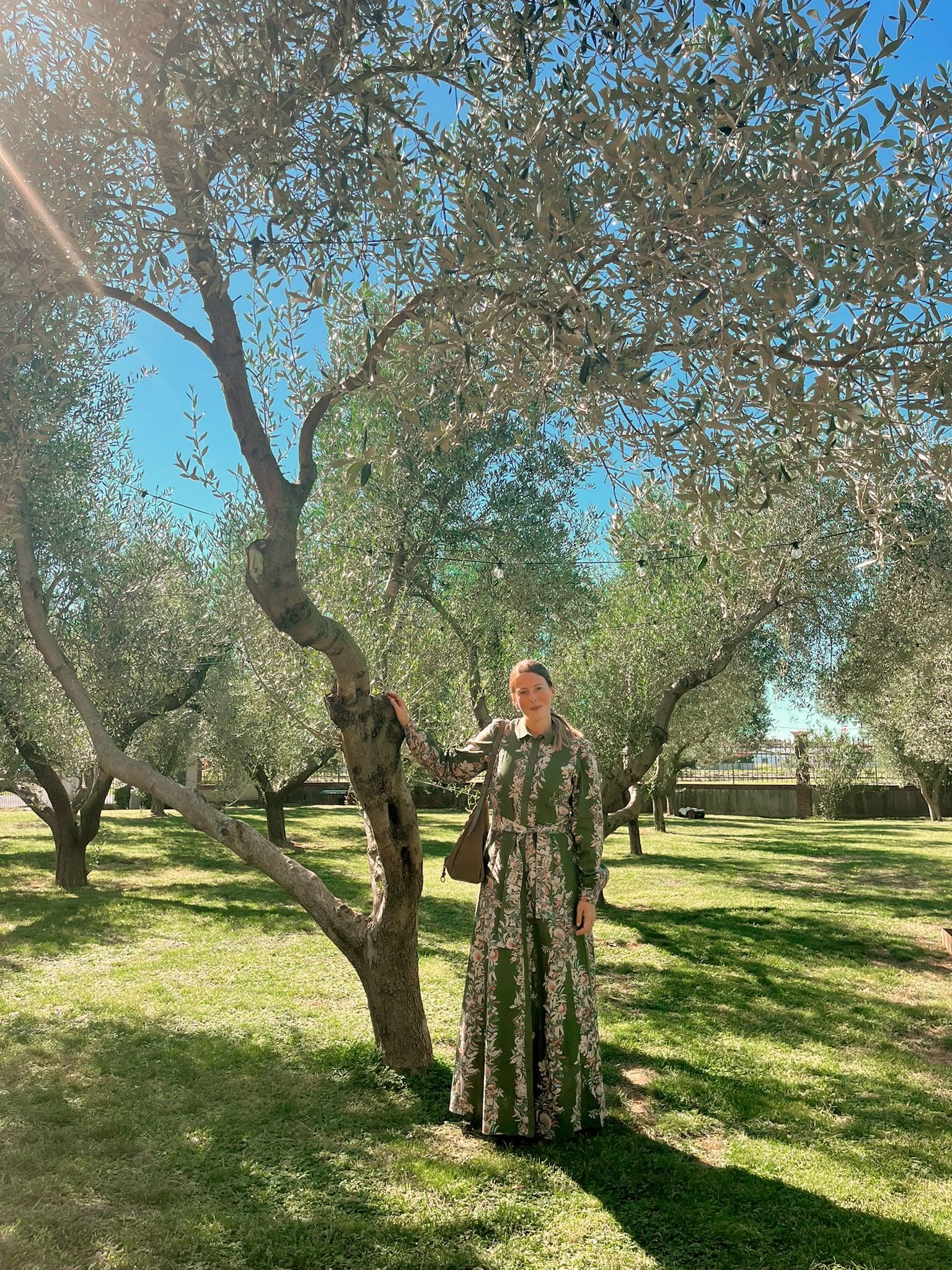
Italy and Slovenia with Kids: A Slow Family Escape at Villa Ronco Albina
Some journeys begin with finding somewhere to stay a little longer. A home where you can unpack, find your favorite corner, and decide each morning how far you feel like exploring.
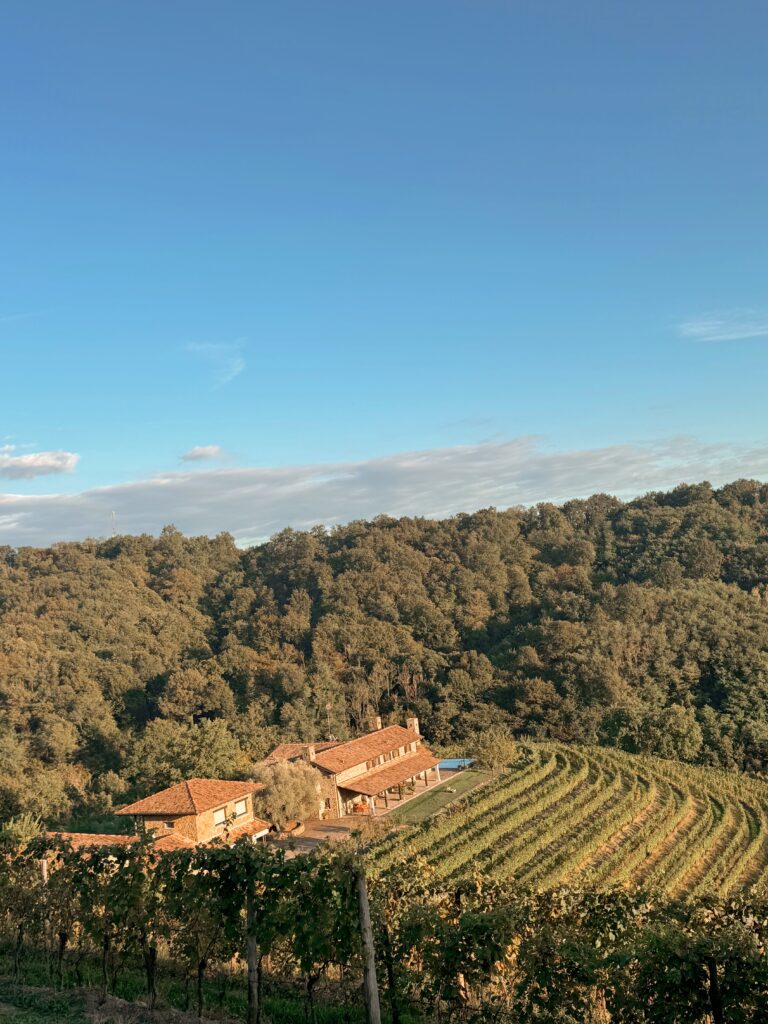
Villa Ronco Albina, in the hills around Cividale del Friuli in northeastern Italy, is one of those places. During our stay, we discovered the area through an aperitivo with Marco, a frico cooking workshop, walks with Katerina, and the flavors of Friulian cooking. Yet its location also suggests a wider adventure: a family holiday combining Italy and Slovenia, with one comfortable base and time to enjoy both.
The Slovenian border is close, inviting you to explore beyond familiar place names. Spend a day in Cividale, another among the villages of Brda, and another discovering Gorizia and Nova Gorica. Then return to the villa, settle back into your own space, and unwind.
For a family, especially a larger one, there is something particularly appealing about seeing more without having to pack up and move every evening.
Villa Ronco Albina: A Home to Come Back To
As a mother of four, I know how much your accommodation can shape a family holiday. Having somewhere to gather around the table, prepare food when needed, or enjoy a quiet moment makes it easier to balance different ages, interests, and energy levels.
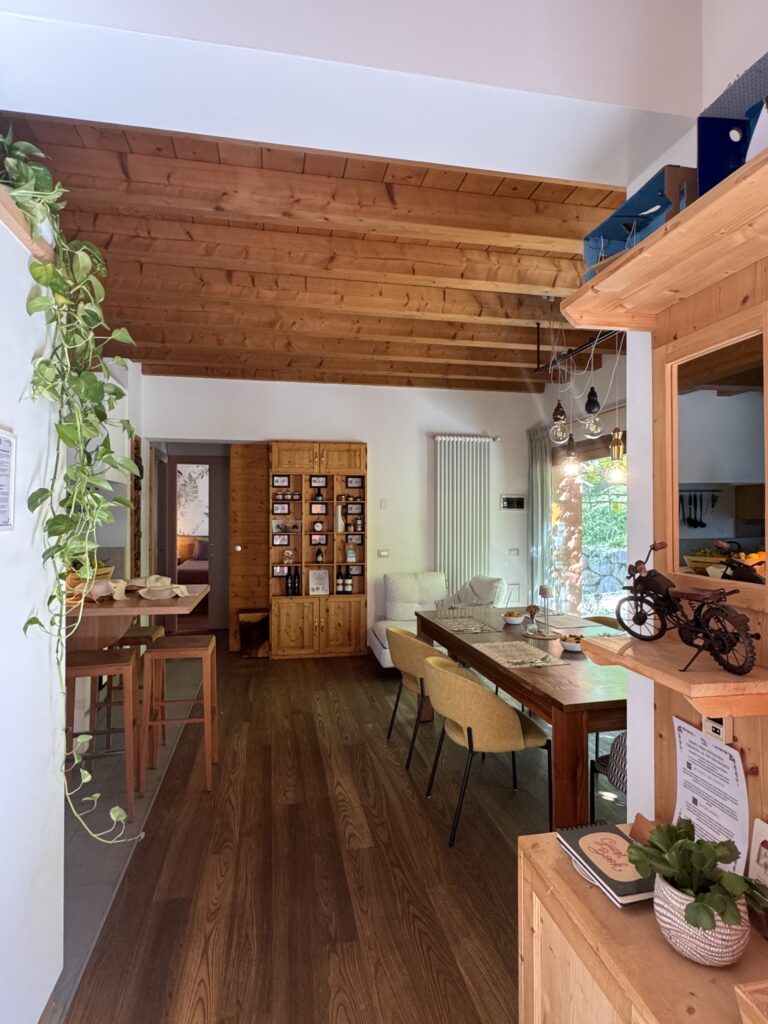
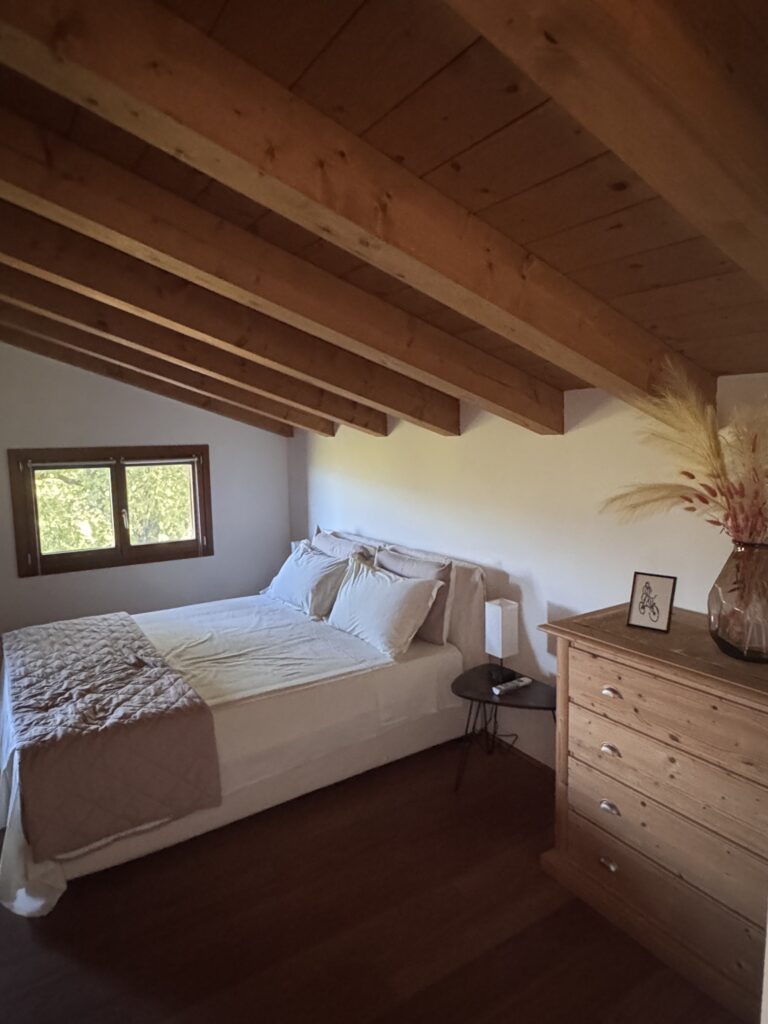
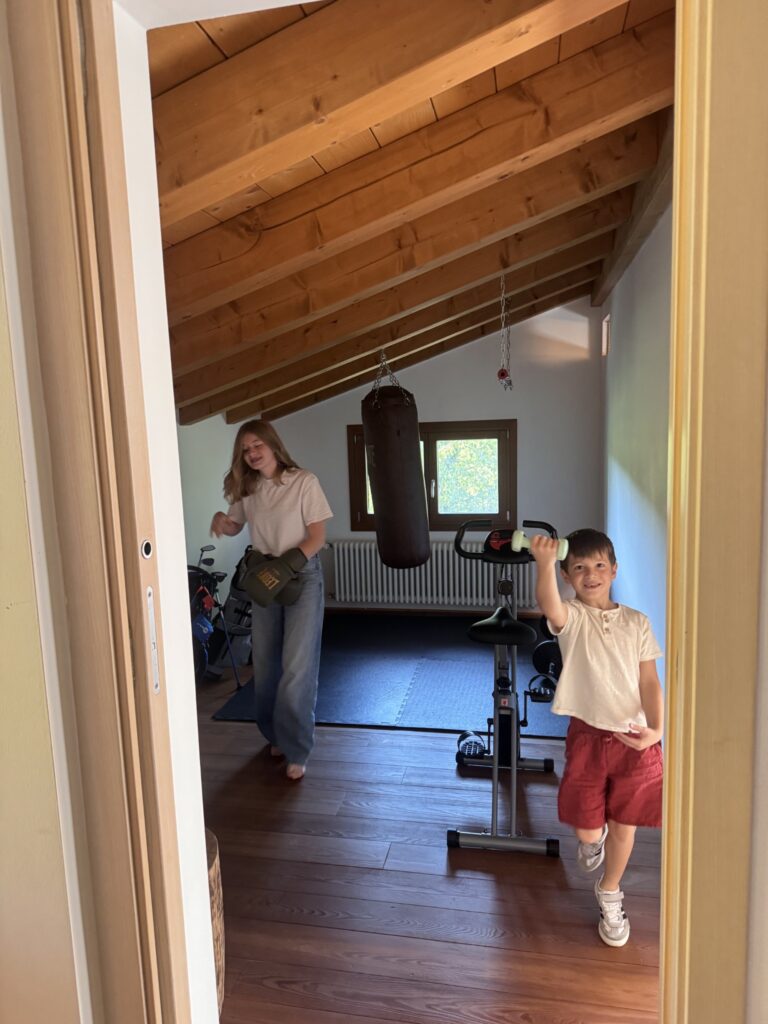
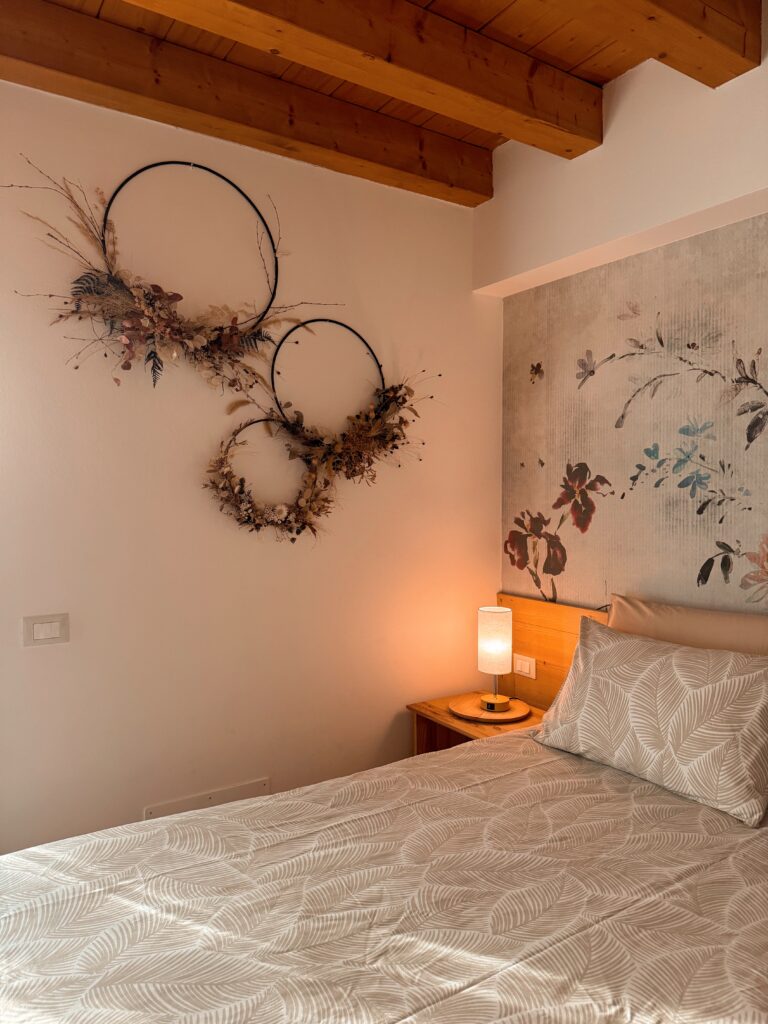
In Spessa, part of the municipality of Cividale del Friuli, Villa Ronco Albina has guest accommodation arranged over two floors, with a well-equipped kitchen, dining area, living room, and panoramic terrace. There are two double bedrooms, plus a relaxation room that can be converted into an additional double bedroom. The regional tourism board, PromoTurismoFVG, lists accommodation for six guests, making it an option for families of six, with sleeping arrangements agreed in advance.
I like the idea of a house that becomes part of the journey: somewhere to linger over breakfast, return to when everyone is tired, or spend an afternoon without needing to plan another outing.
A Taste of Friuli, Before You Even Leave the Villa
Before heading towards Slovenia, it is worth taking time to discover the Friuli that comes to you.
Our welcome began with an aperitivo with Marco, followed by a workshop making frico, a traditional Friulian dish. It is a way of getting to know local food that I particularly enjoy: watching how something is prepared, asking questions, and then tasting a dish you have begun to understand.
For families, experiences like this create shared interests across different ages. You take part, taste something new, and bring home a memory connected to something you have done together.
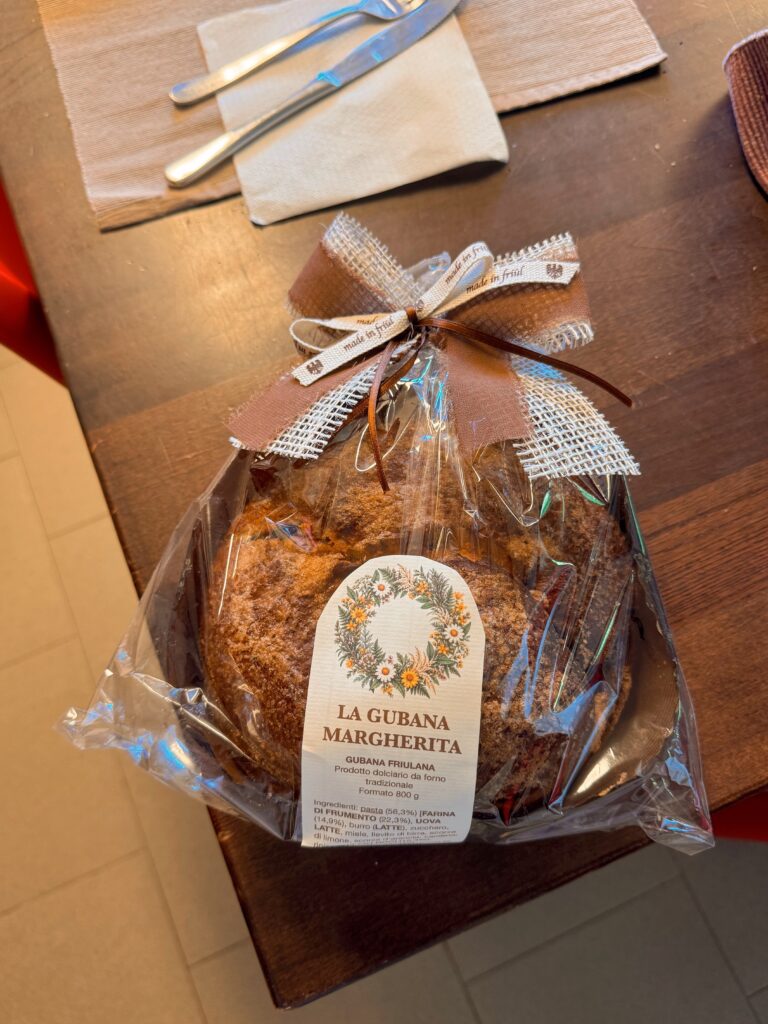
My breakfast memory, meanwhile, is the wonderful aroma of gubana, a traditional local sweet bread. A slice on my plate, alongside homemade baking and local produce, made the morning worth lingering over.
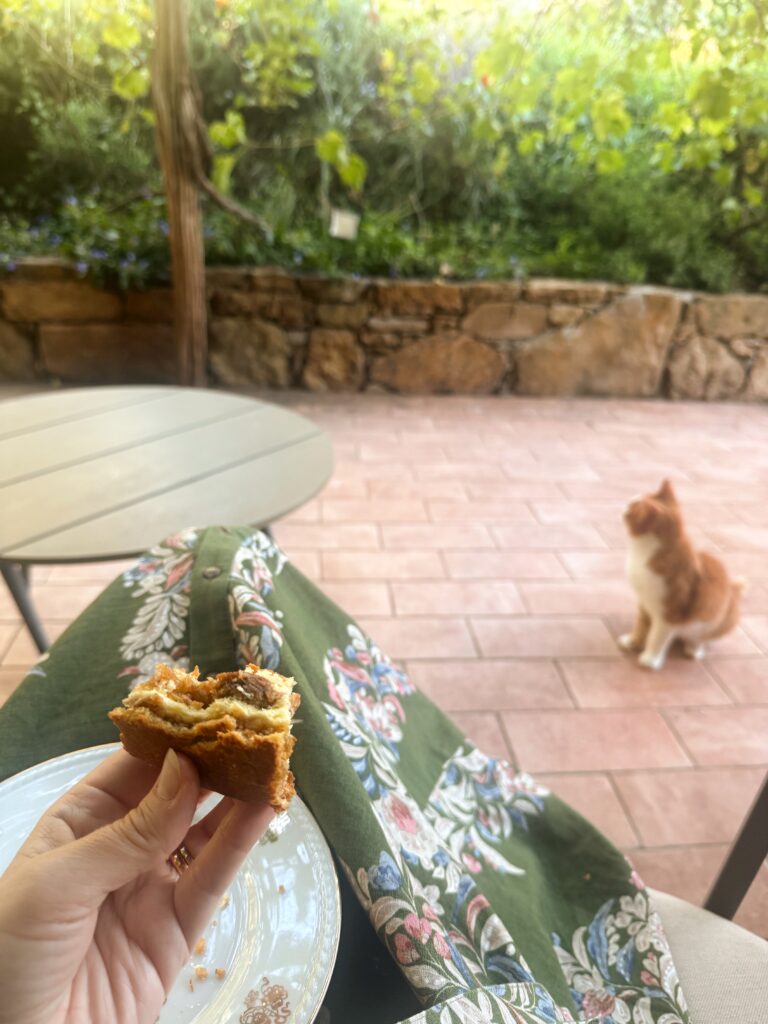
During our stay, Leila from Alimentari Tomadin also joined us for a Friulian dinner at the villa. It was an opportunity to discover local flavors through someone who selects and shares them, all in the comfort of our holiday home.
Woodland Walks, Local Connections and Time to Unwind
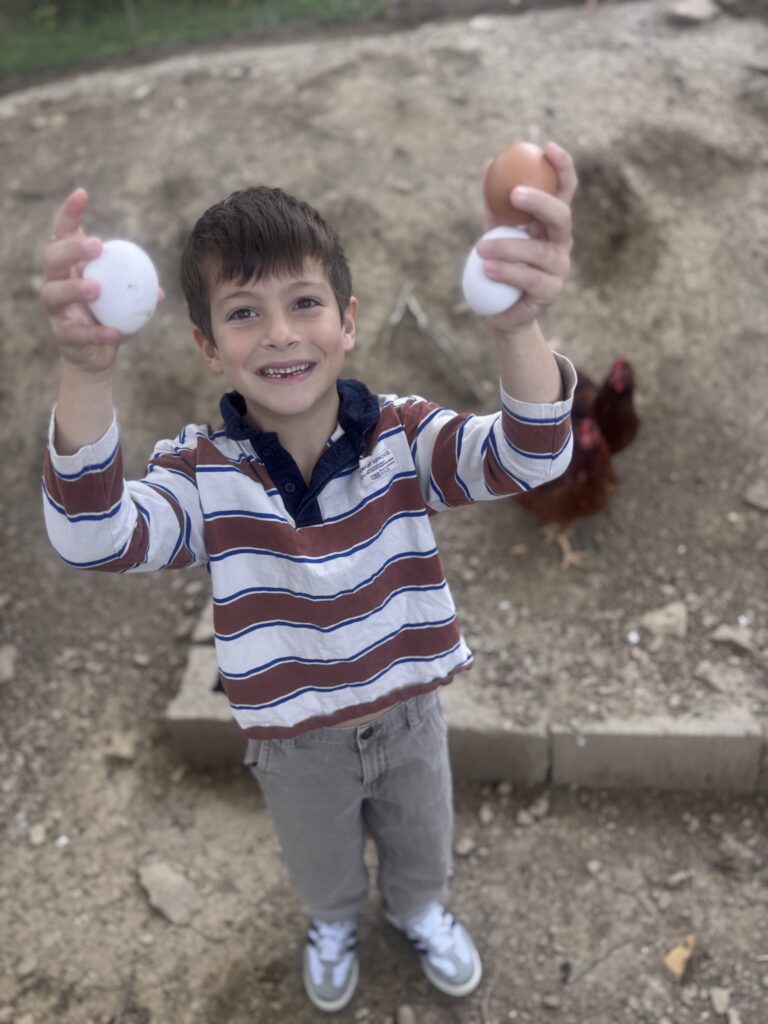
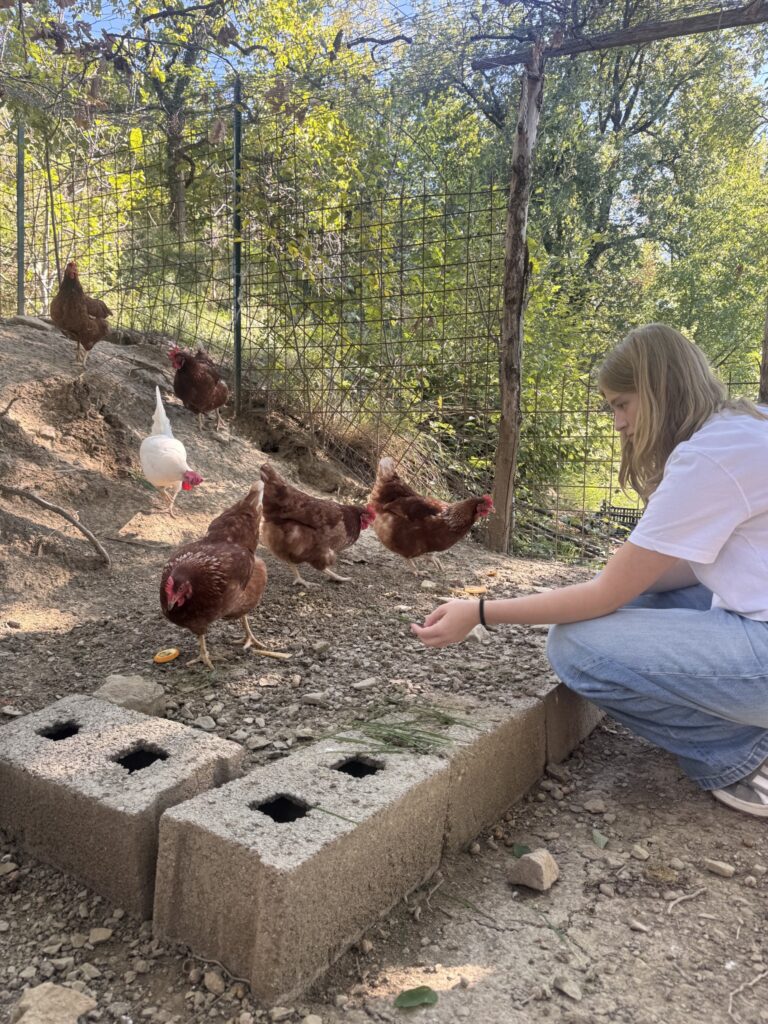
Our walk with Katerina took us past vegetable gardens, the chicken coop and sheep, and into the woods. These are moments that give children something tangible to discover while allowing adults to slow down and look around.
Ronco Albina also has a social purpose. The project involves young people with disabilities in activities that support independence through farming and food preparation. Learning about this adds another dimension to the stay and to the people welcoming you.
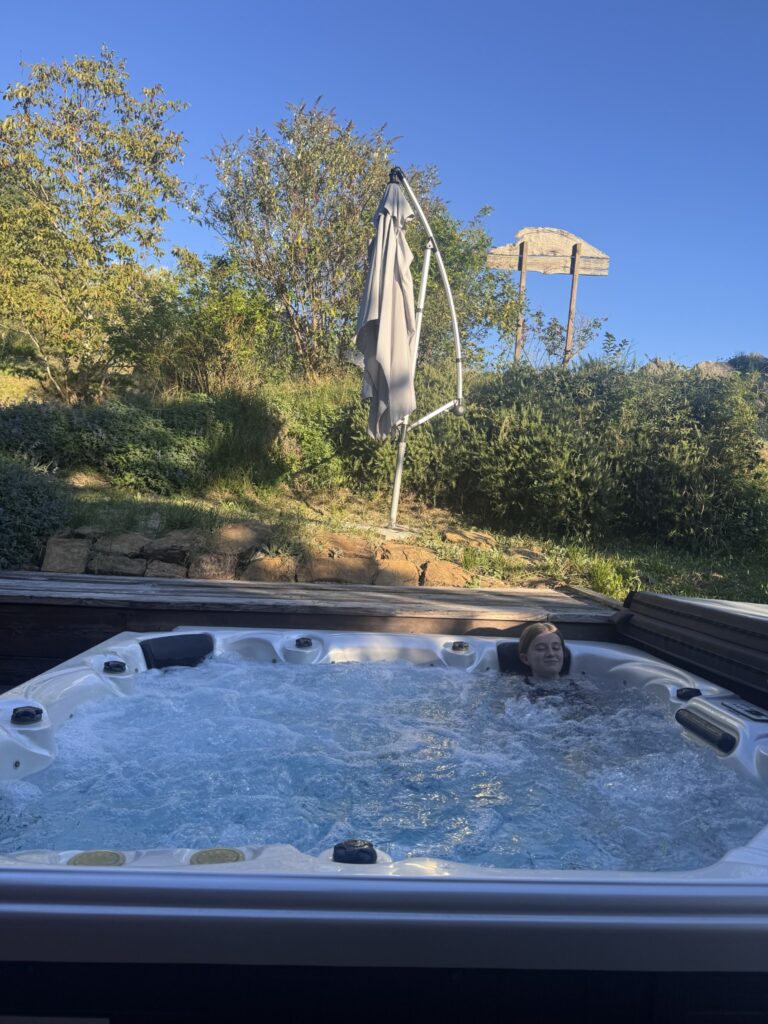
Then there is the private spa, with its outdoor hot tub, sauna, and steam room. It makes setting aside part of the holiday for relaxation particularly tempting. Our program also included time for massages and treatments with Fabio Adami.
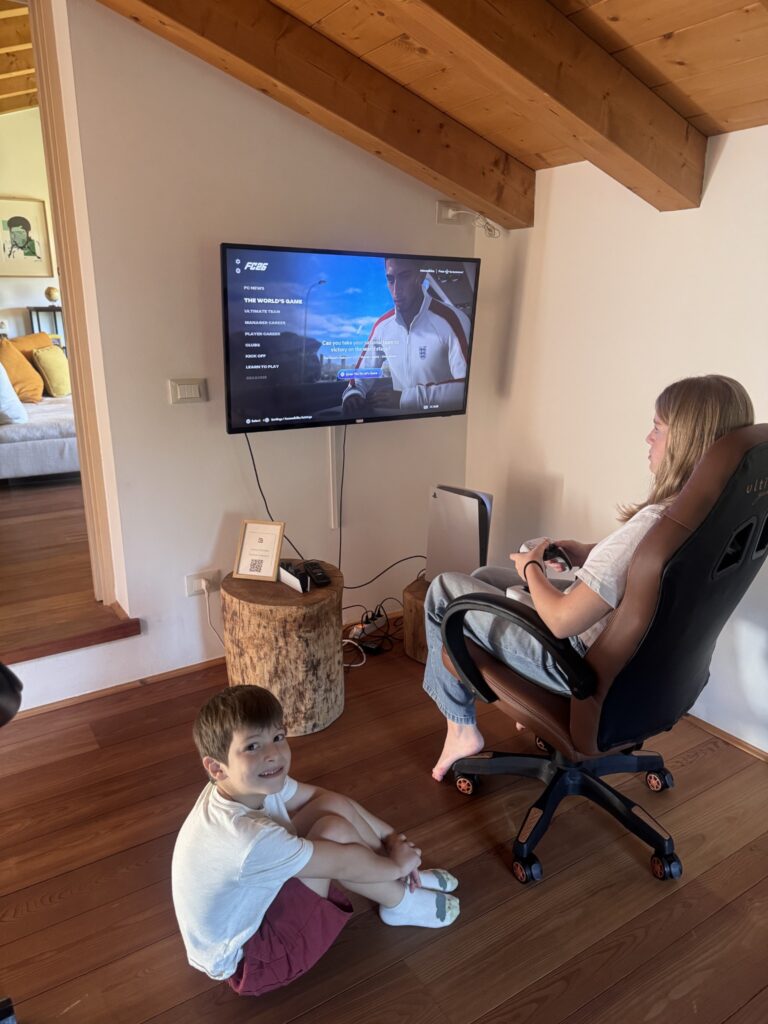
On a holiday combining two countries, I would keep at least one day relatively free: a walk, a good meal, and time for the adults to take turns enjoying a proper break. Everyone deserves some space in the itinerary.
Start Close to Home: Cividale del Friuli and the Natisone Valleys
I would begin exploring in Cividale del Friuli. Its historic center, cathedral, and Devil’s Bridge over the Natisone River provide the starting points for a walk shaped around your children’s curiosity.
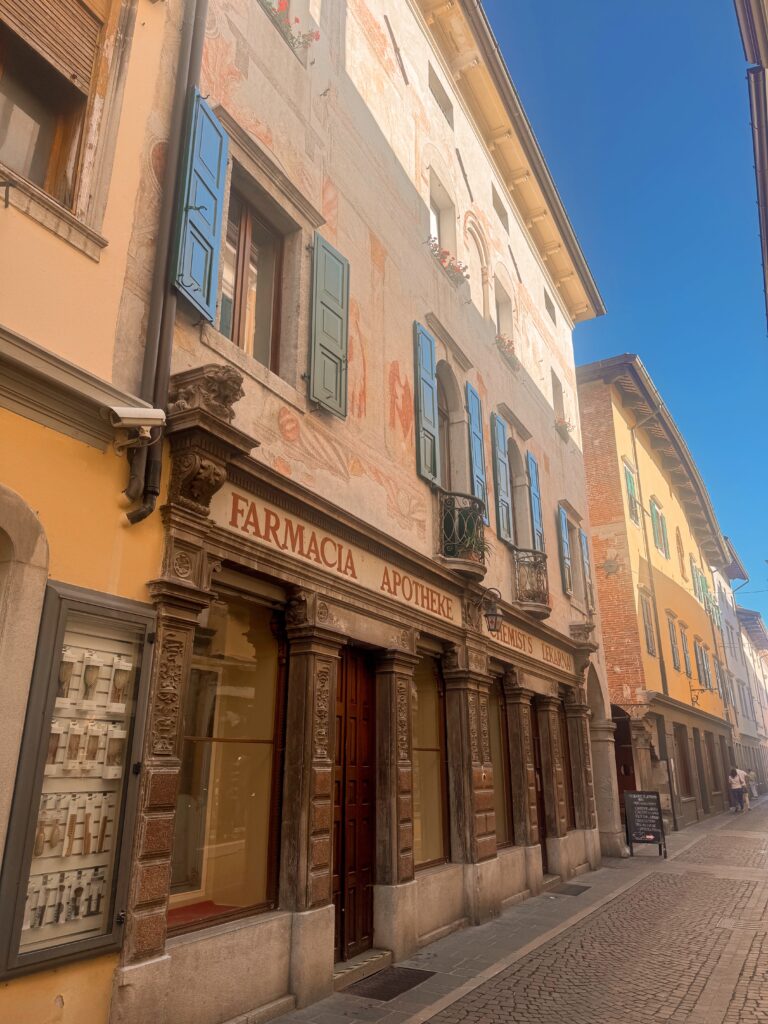
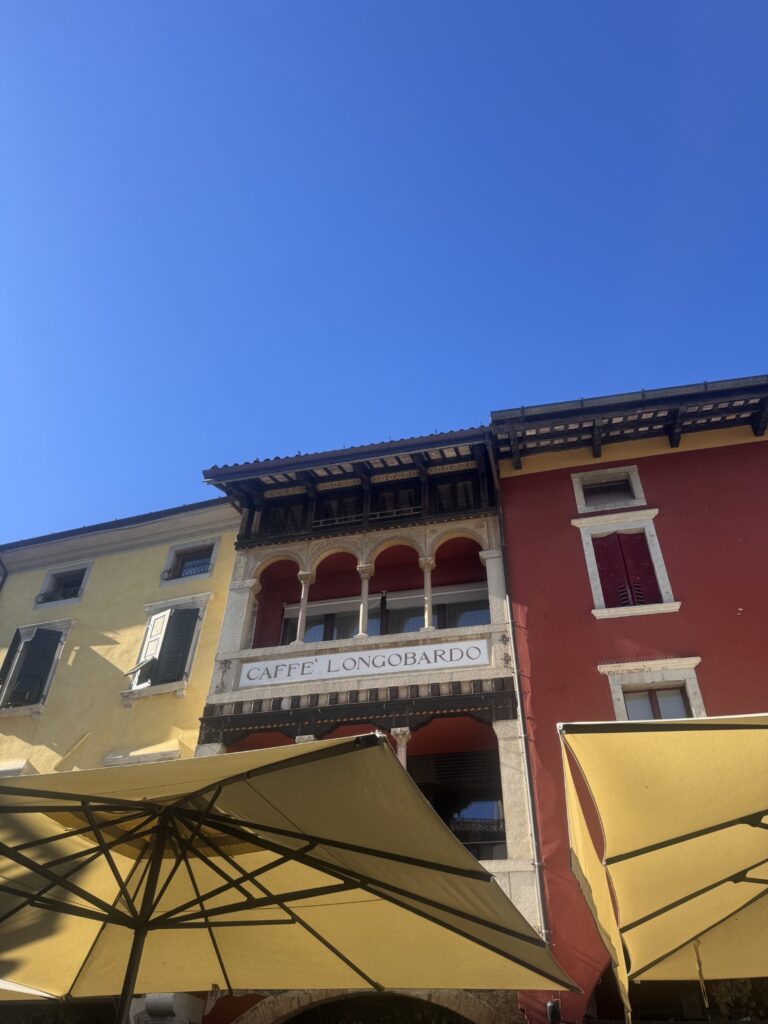
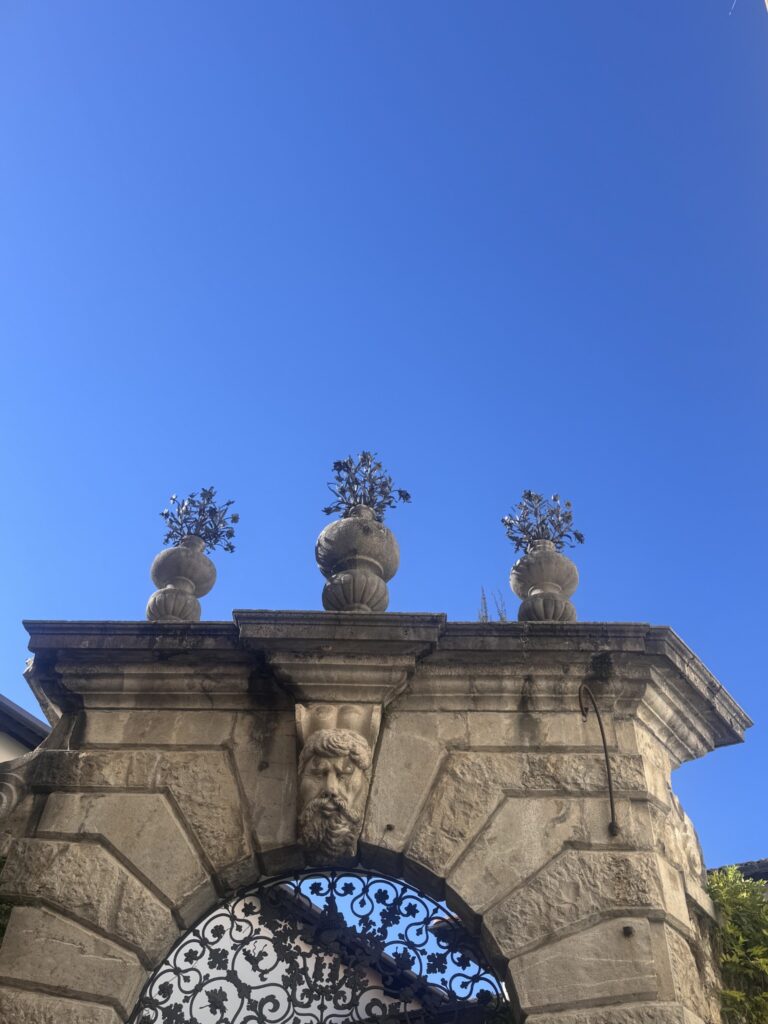
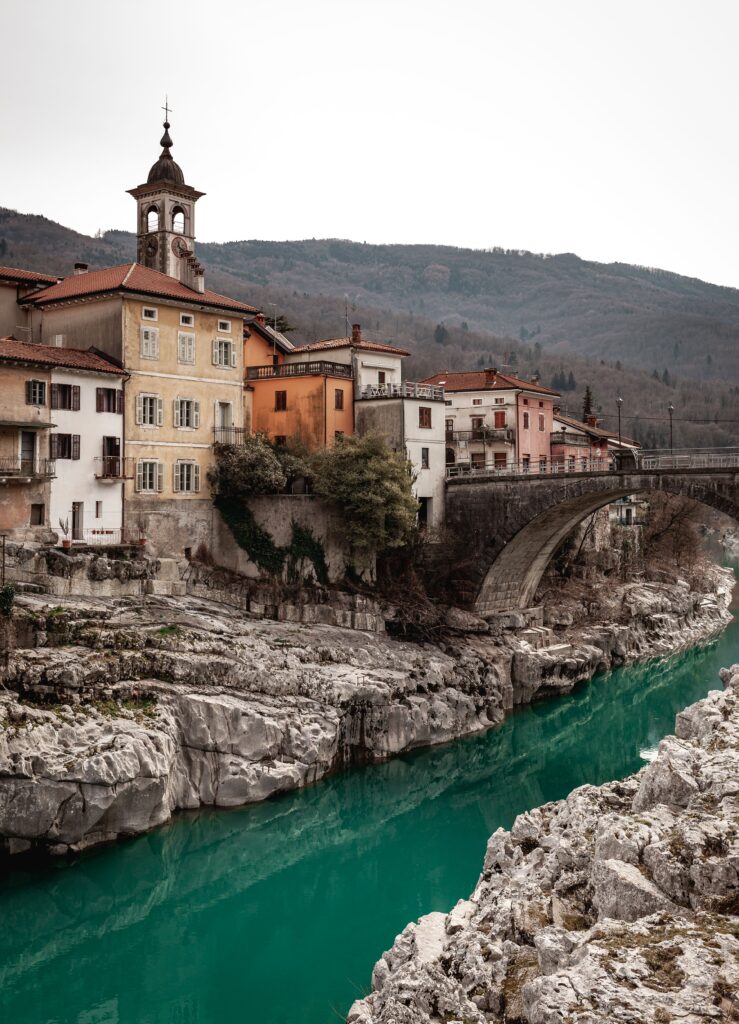
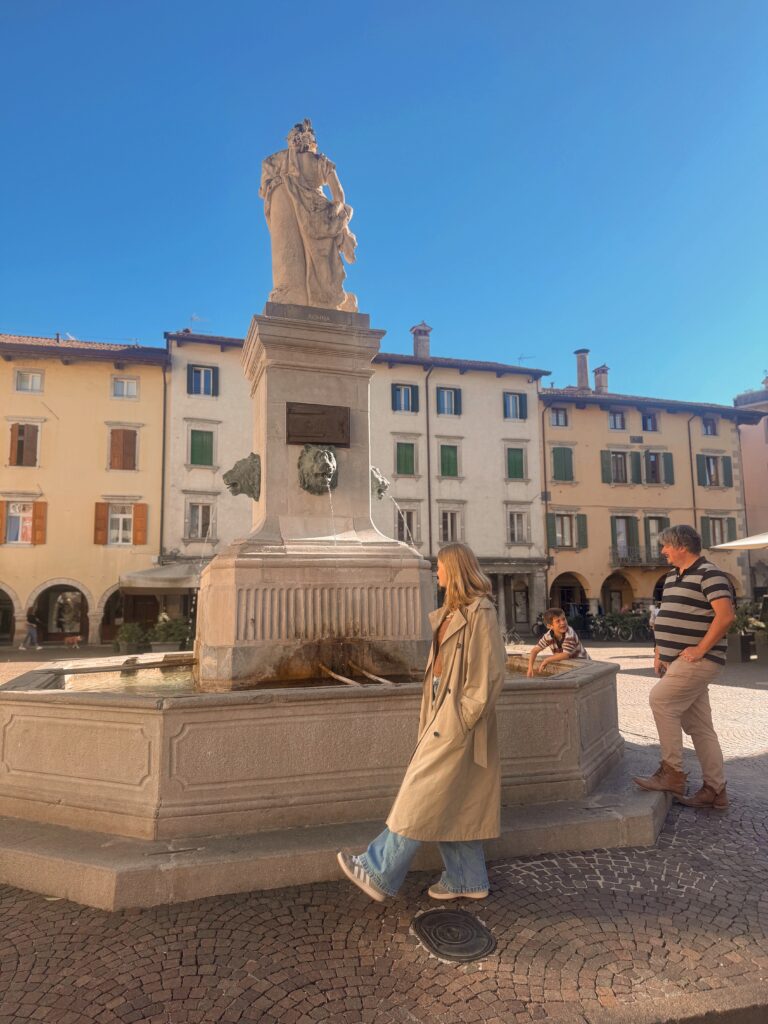
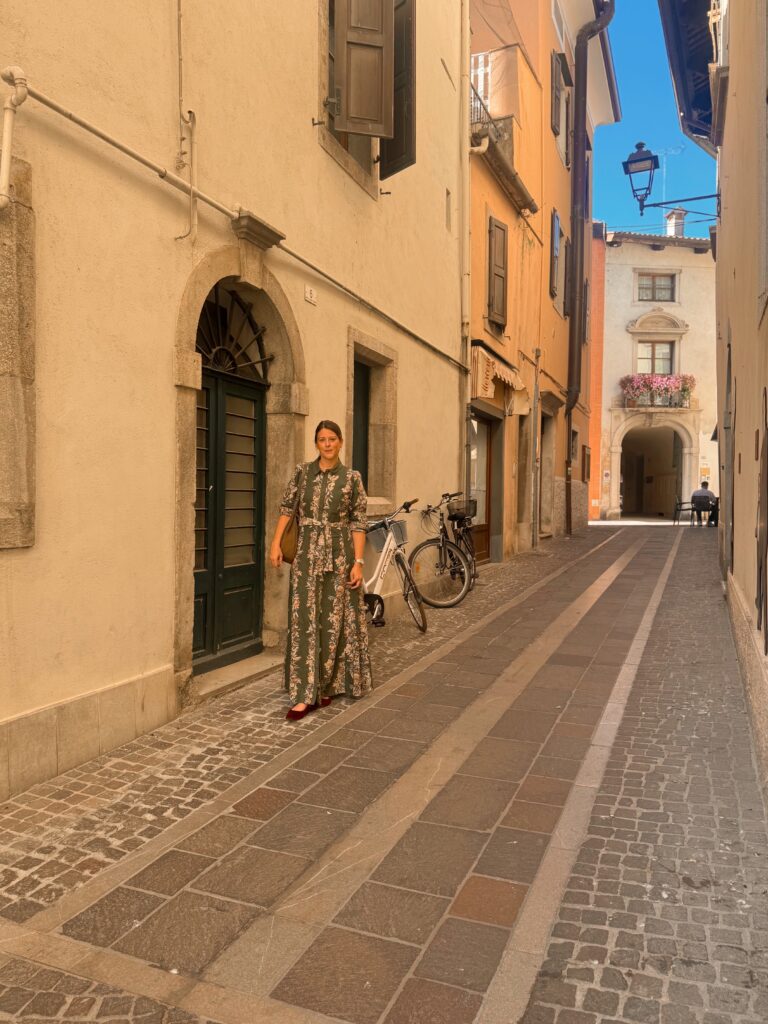
With children and teenagers, I would choose a few places to explore rather than a long list of sights. Leave time to watch the river, pause in a square, and follow up on a question that comes up along the way.
The Natisone Valleys offer an opportunity to spend time in nature. Choose a route according to the season, your children’s ages, and everyone’s energy levels. A walk or a scenic stop can be enough to change the pace of an afternoon.
With Slovenia so close, it is also a natural moment to start thinking about what lies beyond the border.
Across the Border: Brda and the Village of Šmartno
One way to extend a stay in Friuli is to spend a day in Brda, on the Slovenian side of the border.
I would approach it in the same unhurried spirit as the hills of Friuli: choose a village, stop to enjoy the landscape, and leave time for lunch and the people you meet along the way.
One village to consider is Šmartno, a fortified hilltop settlement with surviving walls and towers. Its history offers a way to engage children, too: look at how the village was built and imagine what life might have been like when it served as a defensive stronghold.
For the day, I would focus on Šmartno and a few nearby stops, leaving plenty of room between them. Part of the appeal is being able to explore another country while keeping the holiday relaxed.
This is a suggested extension to our Friulian stay: an itinerary to shape around your own interests, with the villa remaining your base.
Gorizia and Nova Gorica: Two Cities Meeting at the Border
Another day could be devoted to Gorizia and Nova Gorica.
Here, the connection between Italy and Slovenia becomes especially tangible. Piazza della Transalpina, also known as Trg Evrope or Europe Square, sits on the border and links the two cities. It is a place to begin talking with children about how a landscape can be shared while holding different histories.
For younger children, the conversation might begin with a simple question: where does one country end and the other begin? With teenagers, you can explore what a border means and how it has shaped people’s lives.
Use the square as a starting point for a walk on both sides, choosing places to visit according to your family’s interests.
It adds depth to a two-country holiday: a chance to discover neighboring places and different perspectives on the same area.
More to Discover in Italy: Midolini, Olio Ducale and Aquileia
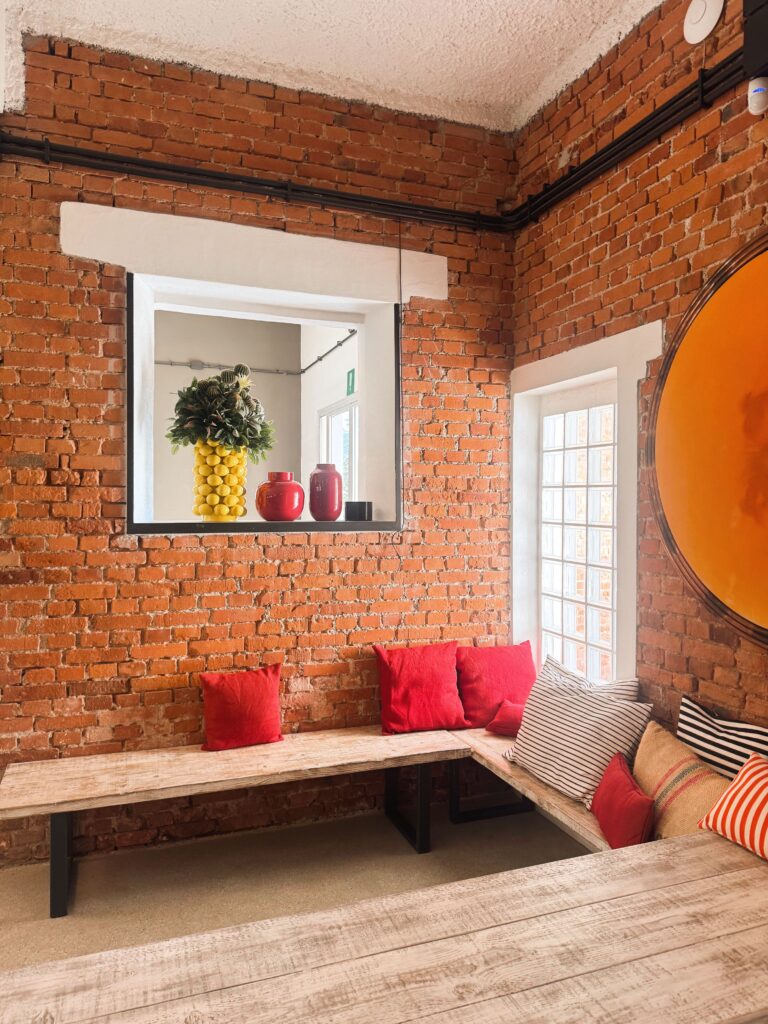
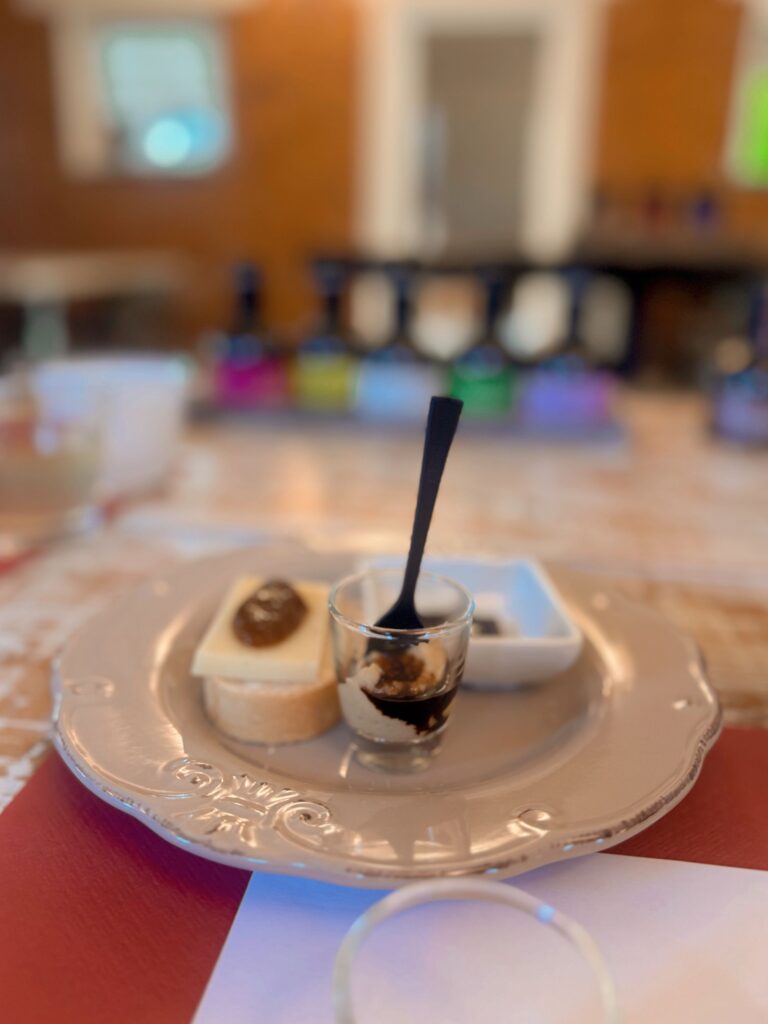
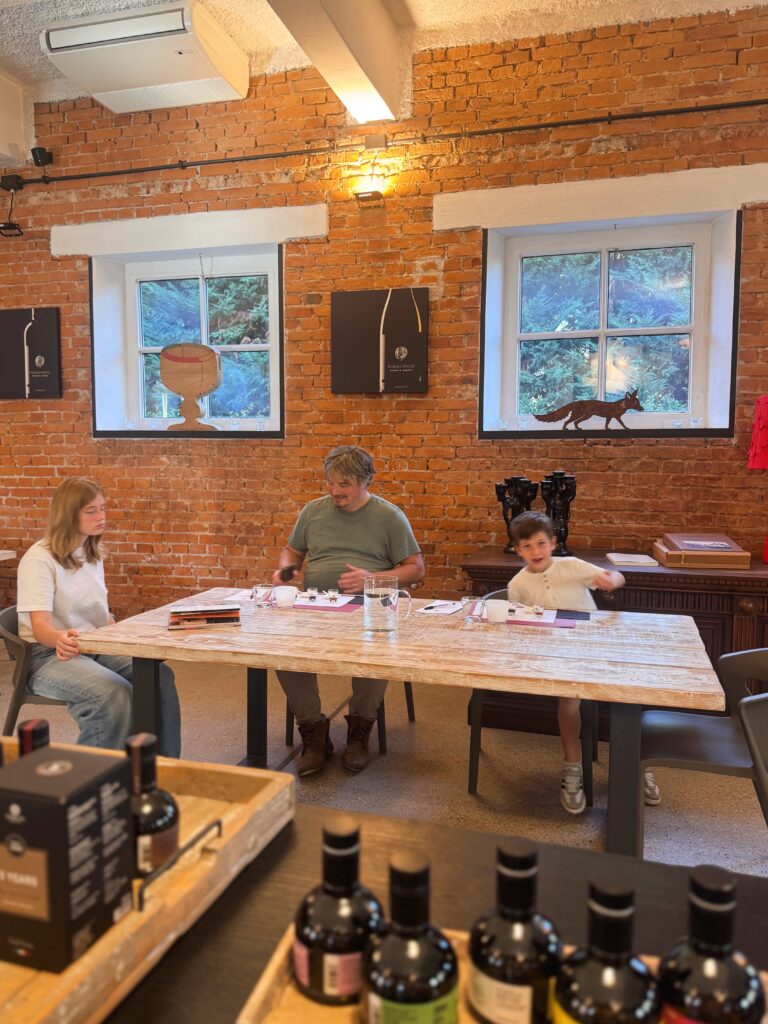
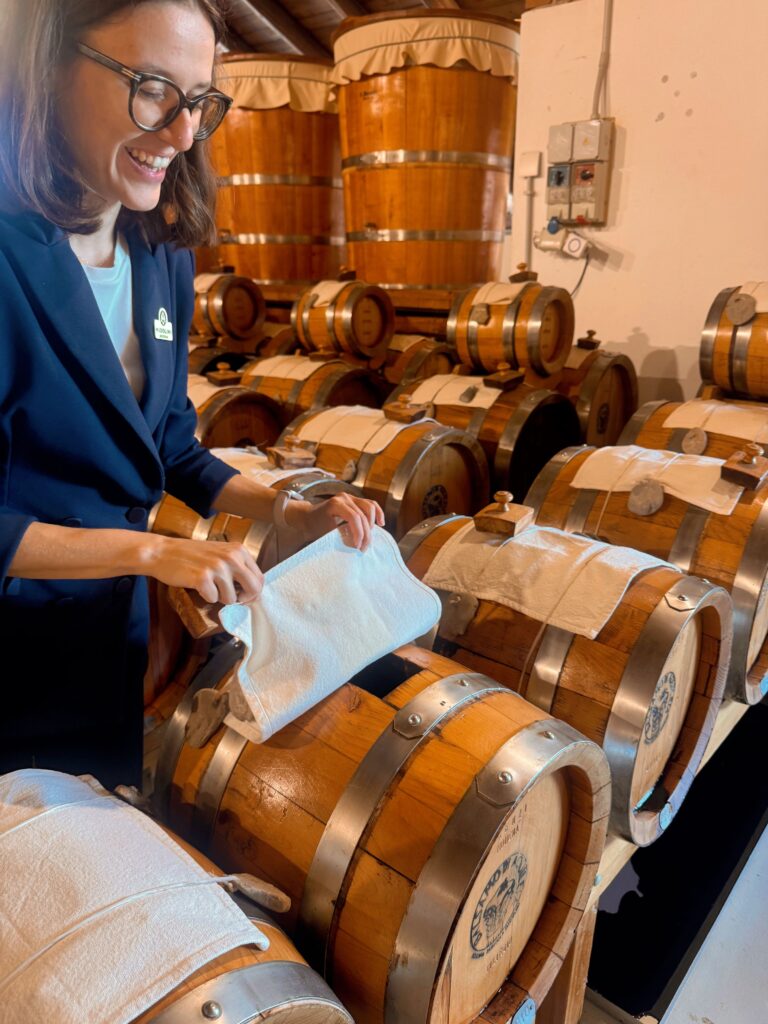
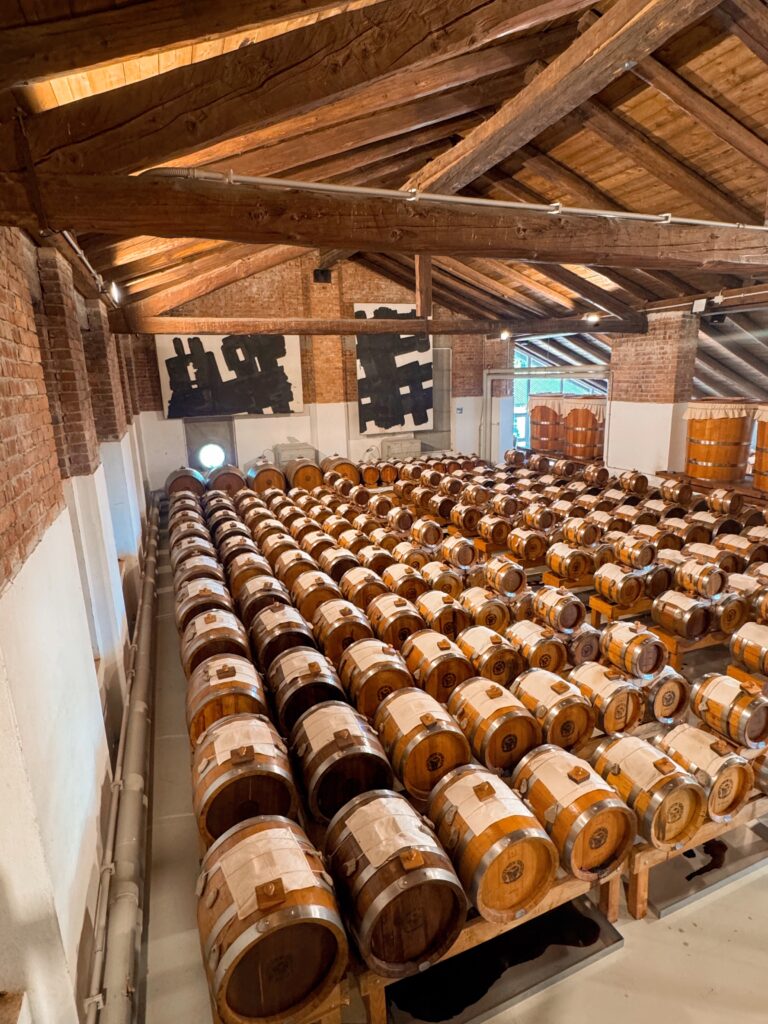
Our own program included a visit and tasting at Acetaia Midolini, introducing us to the world of balsamic production and the work behind the finished product.
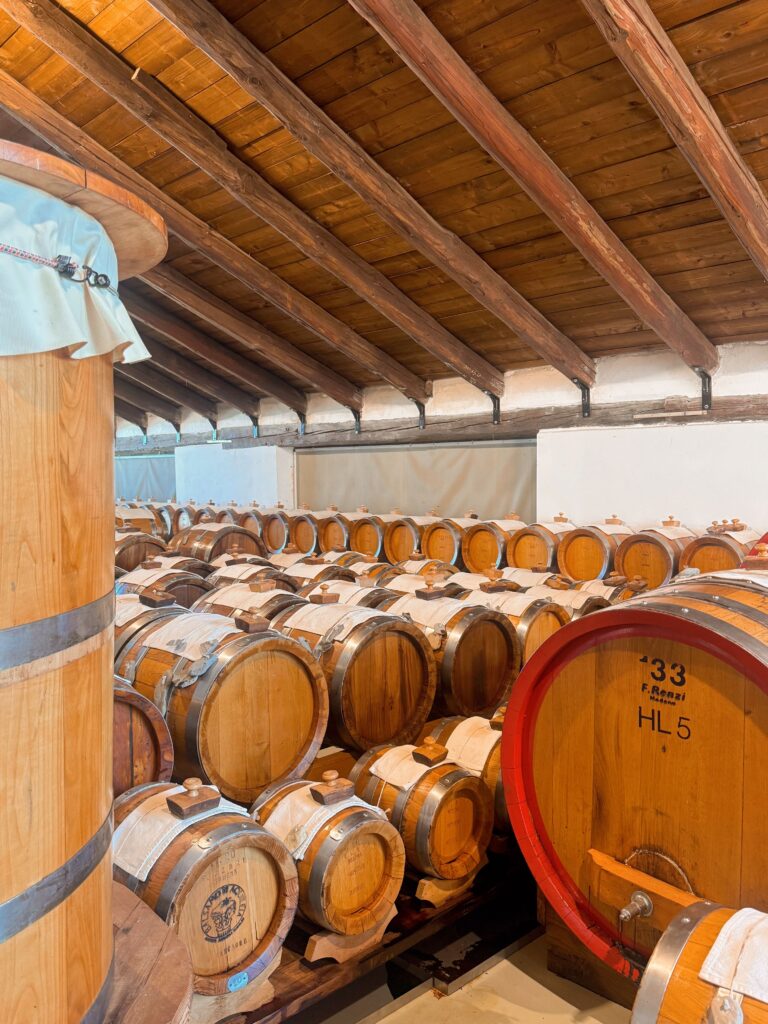
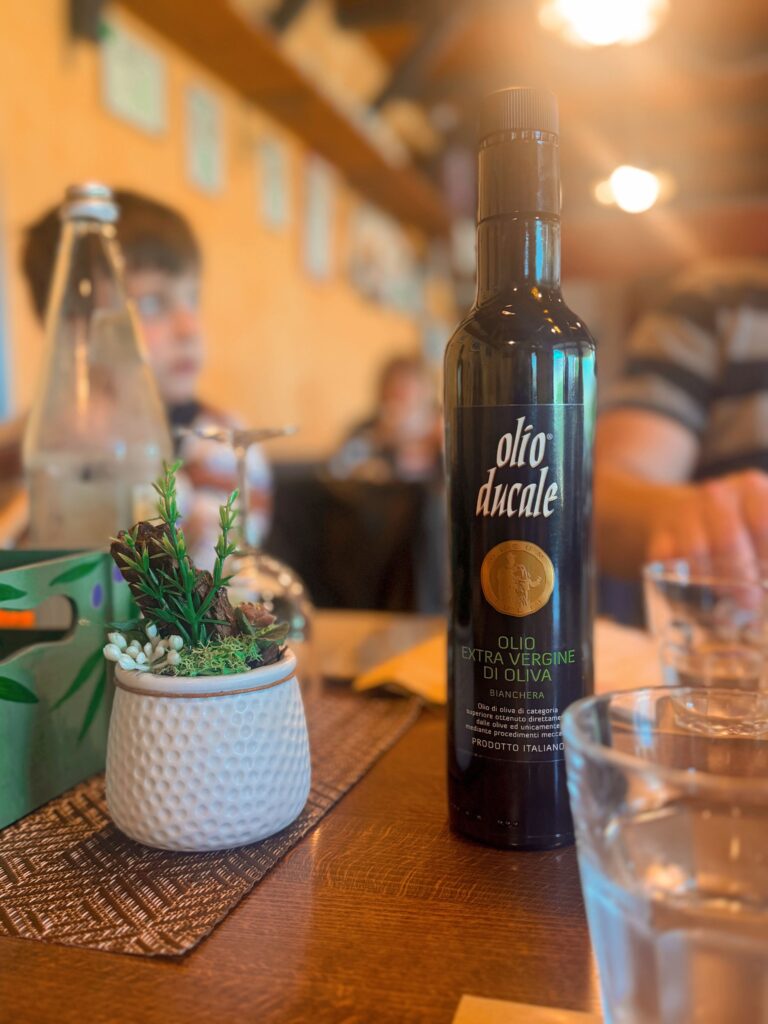
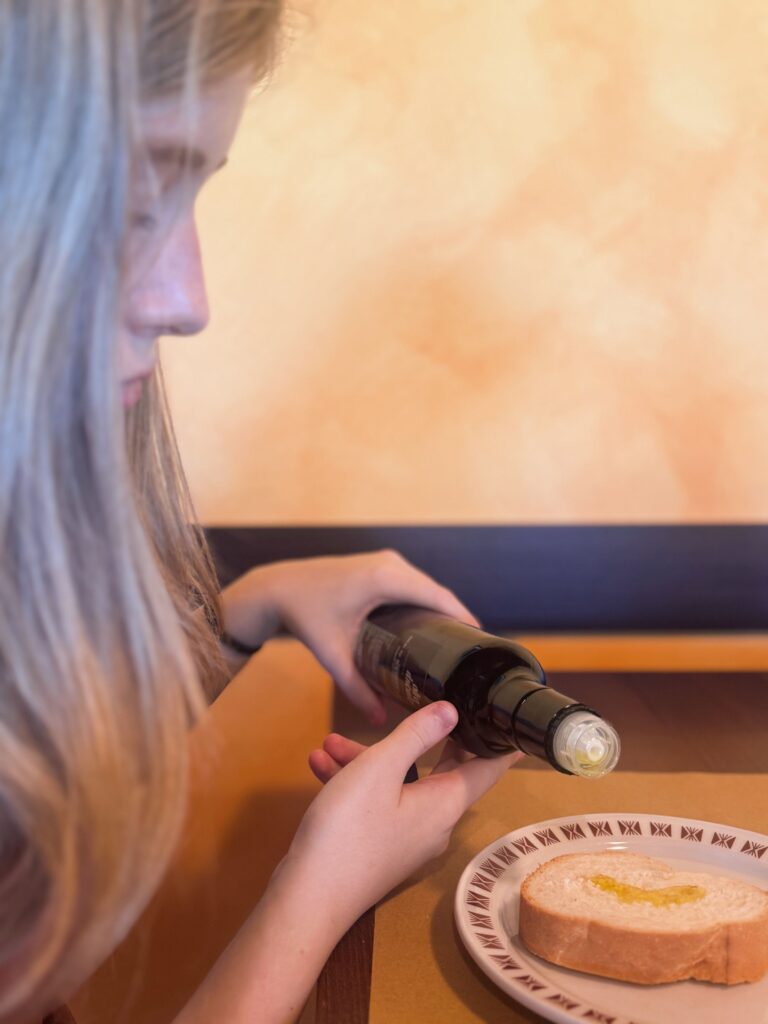
Lunch at Olio Ducale provides another address to consider when exploring the region through its food.
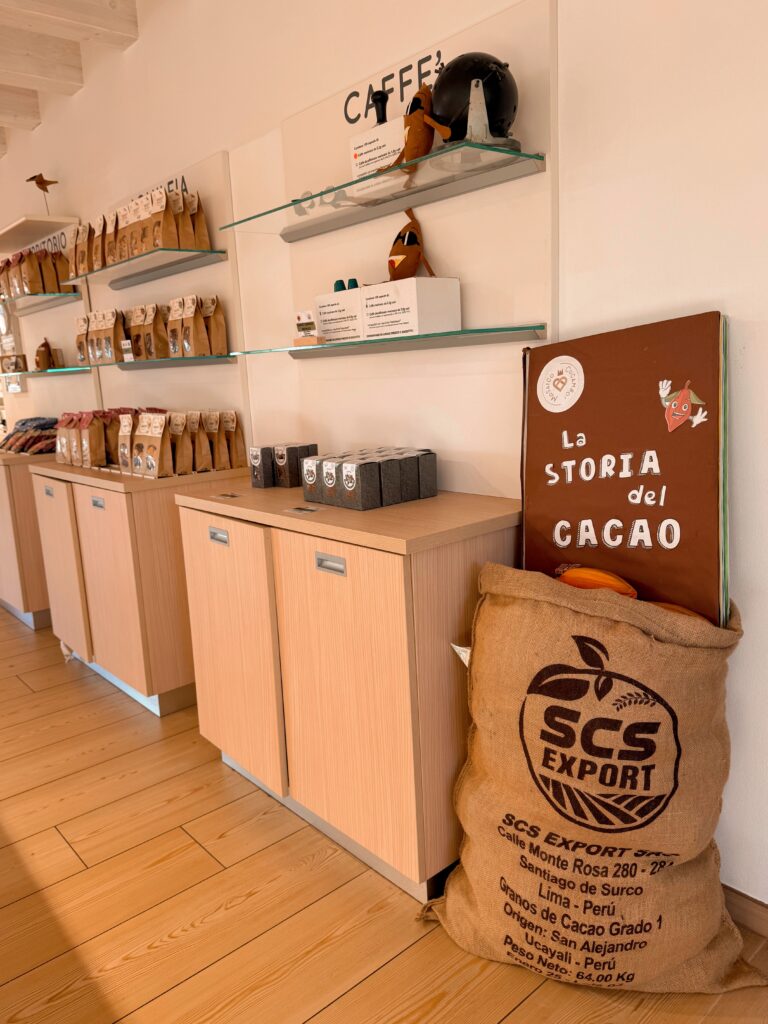
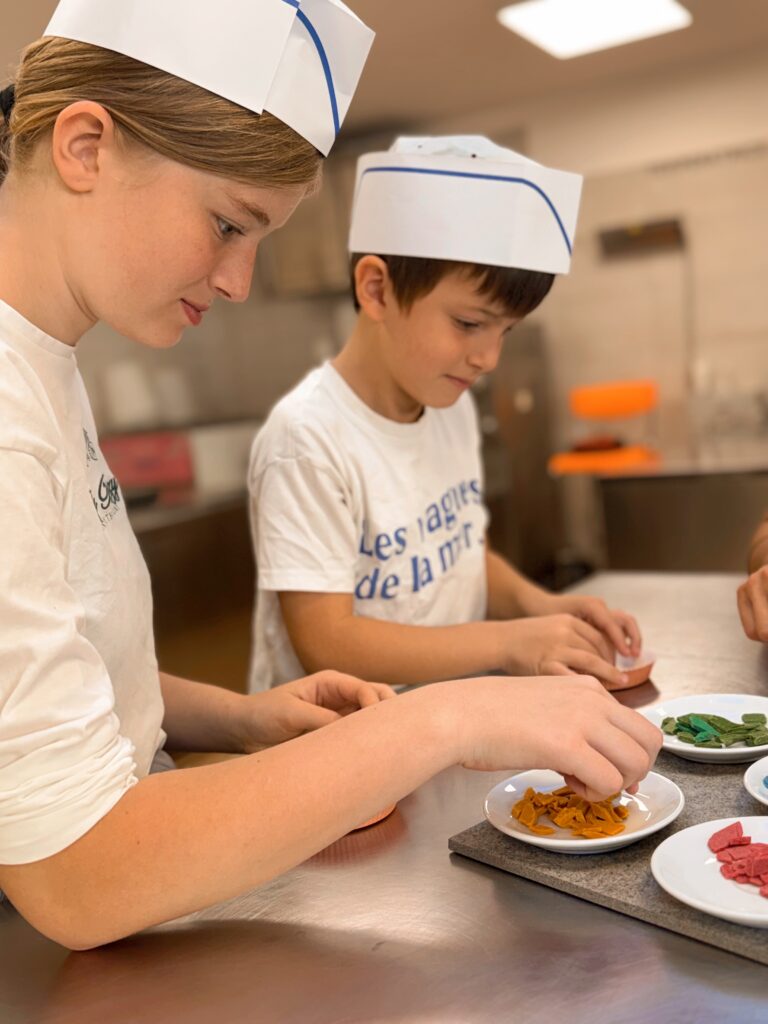
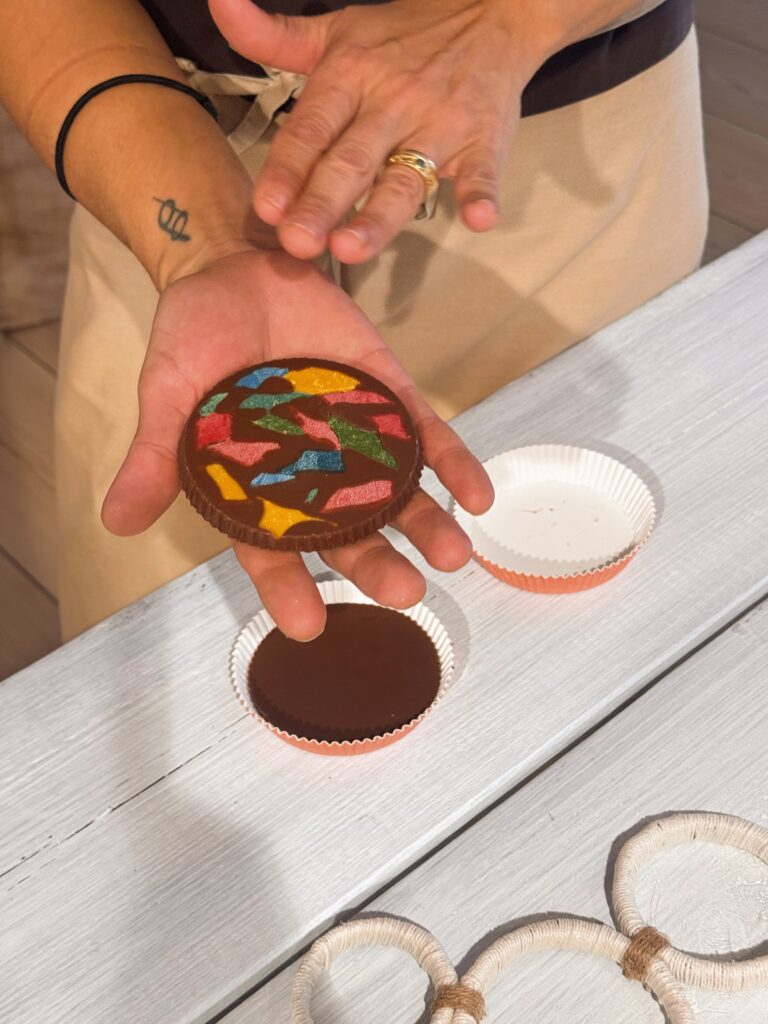
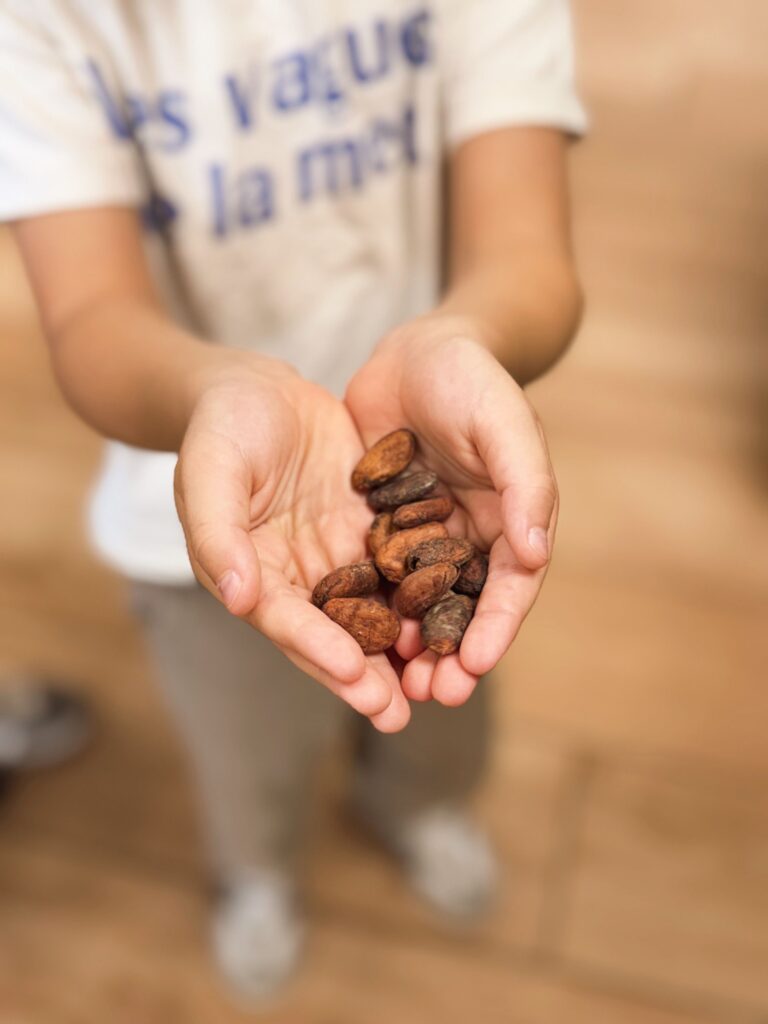
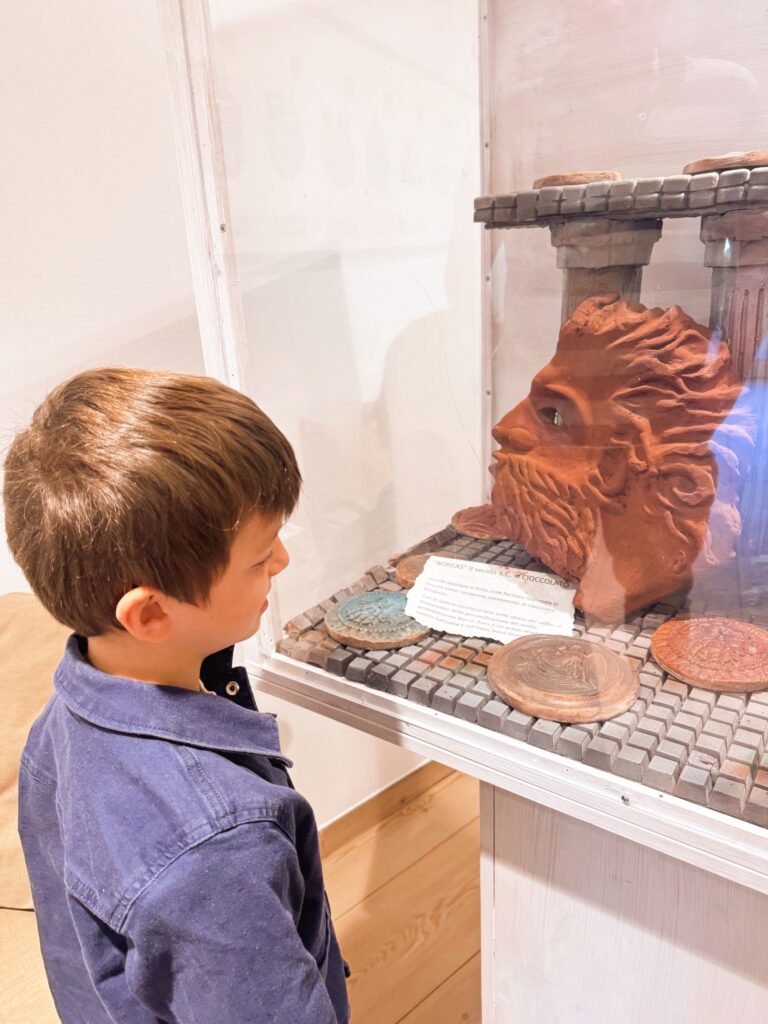
In Aquileia, our itinerary combined a walk through the town with a visit to Cocambo, followed by brunch before departure. History and artisan chocolate offer two different ways to engage the family and vary the day.
Another place worth seeking out is Alimentari Tomadin (Cormons), an exceptional food shop in its own right, where the selection of local specialties offers a delicious introduction to Friuli. Its owner, Leila, also brings that experience directly to Villa Ronco Albina: on request, she can bring dinner to the villa, sharing stories and anecdotes about the region as she introduces its flavors.
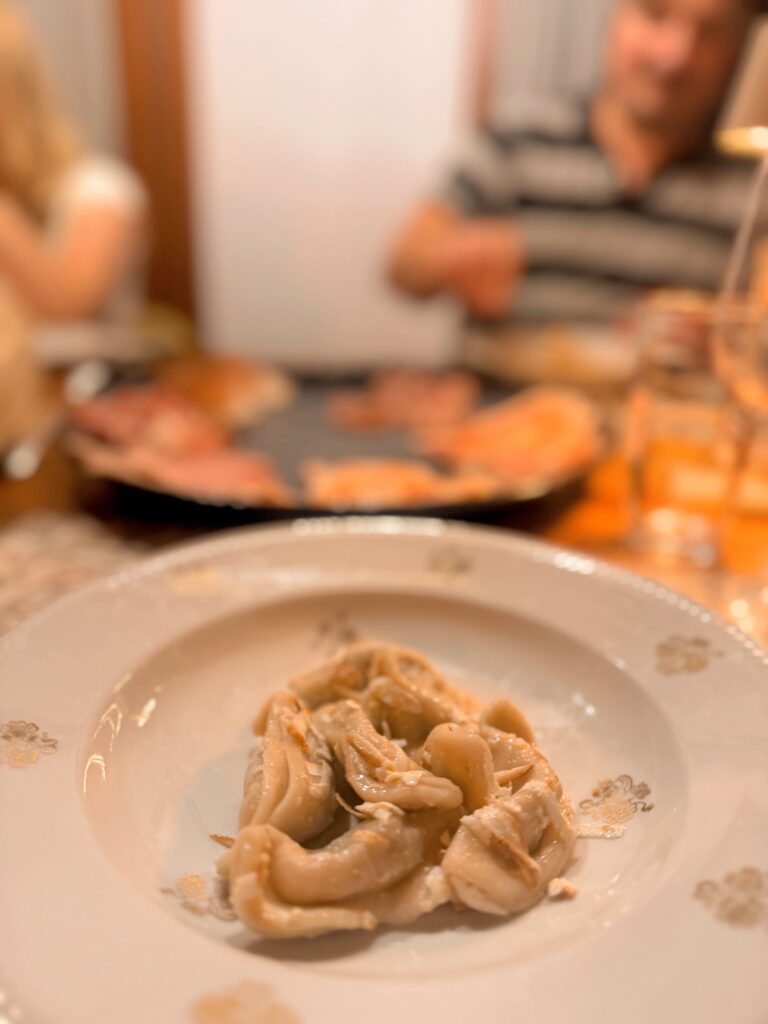
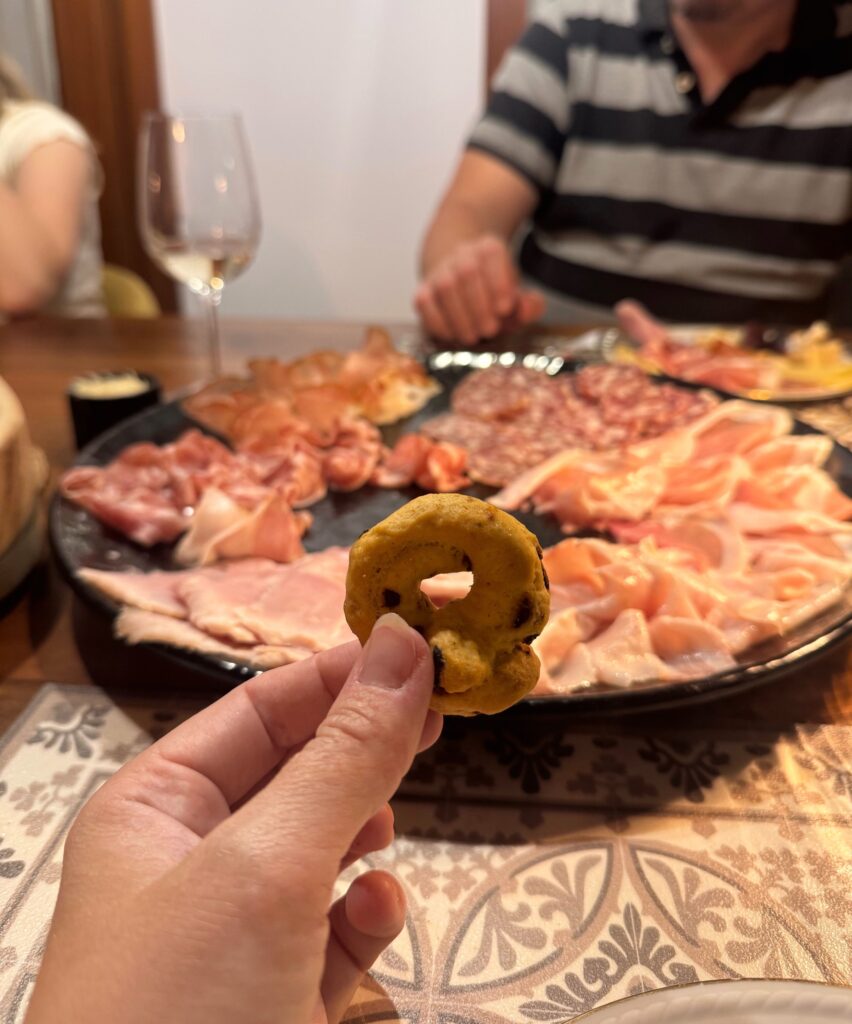
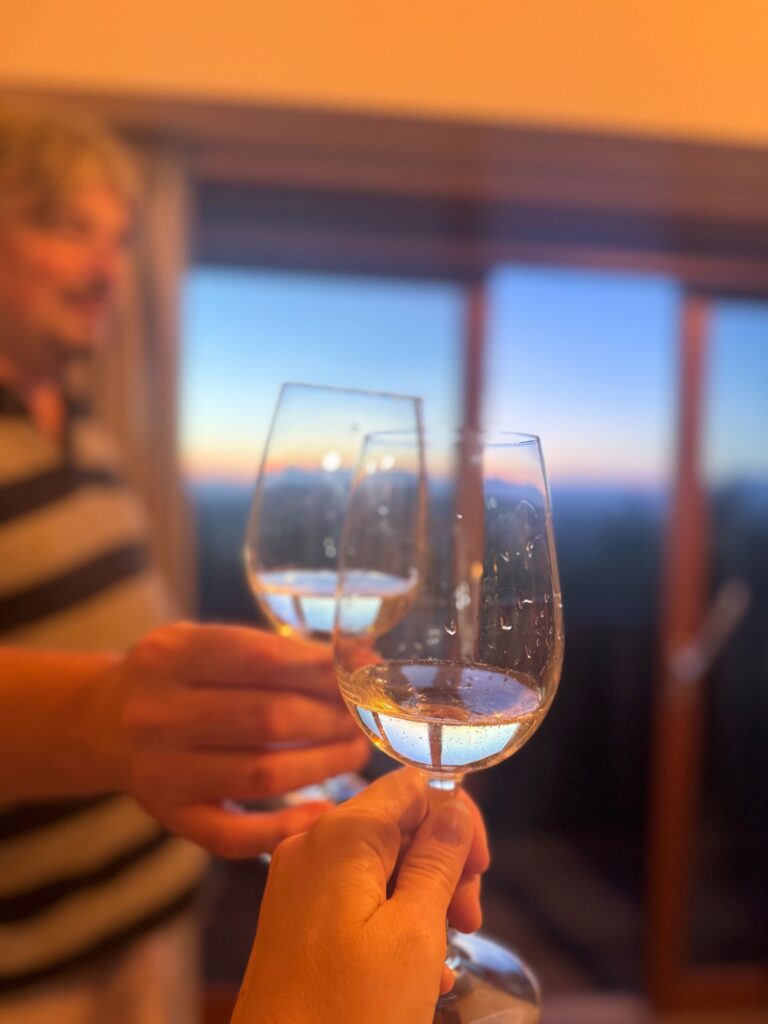
The pleasure is as much in listening as in tasting. Around your own table, the meal becomes a warm, personal encounter with the people and traditions of Friuli—and, for families, a particularly lovely way to explore without heading out again for the evening.
I would spread these experiences across the stay or choose among them according to your onward route. Aquileia and Cocambo, for example, could work as a stop when travelling back towards other parts of Italy.
A Relaxed Family Itinerary Combining Italy and Slovenia
To give this trip room to breathe, I would allow five nights, alternating days out with time at the villa. Here is one possible starting point:
| Day | Suggested plan |
|---|---|
| 1 | Arrive and settle into the villa; aperitivo and any activities arranged in advance. |
| 2 | Explore Cividale del Friuli, with an optional walk in the Natisone Valleys. |
| 3 | Spend a day in Slovenia, visiting Šmartno and the Brda hills. |
| 4 | Enjoy the villa, a cooking workshop, or spa time; arrange a visit to Midolini. |
| 5 | Discover Gorizia and Nova Gorica, starting at the square on the border. |
| 6 | Depart with an optional stop in Aquileia and at Cocambo if it fits your onward route. |
Treat this as a flexible outline, allowing for the weather and your children’s preferences. A car allows you to connect the different places; check routes and journey times before each outing.
If you would like to explore further into Slovenia, you could also plan a second stay across the border, with Villa Ronco Albina forming the first chapter of a longer holiday.
Two Countries, One Home to Return To
What appeals to me about this holiday is the balance between exploring and staying still.
The villa offers space and a warm welcome. Friuli becomes part of the stay through its people, recipes, and landscapes. Slovenia, so close by, adds villages and cities to discover without needing to change accommodation every day.
For families, that means more possibilities and a familiar place around which to build them. Head out in the morning with something you are curious about, return with a story to tell and gather around the table.
Perhaps that is what slow travel comes down to: having time for what happens between the places on your itinerary.
You may also like

Not Just Venice: The Sweet Lagoon Life
When we think of the enchanting region of Venice, images of gondolas gliding through picturesque can

Luxury Tree House (and Much More!) In Casentino’s Forest
Arriving at Fattorie di Celli, one immediately realizes that they are about to experience a unique a
Exploring Family-Friendly Experiences at the Franciacorta Festival 2023 16-17 SEPTEMBER
The Franciacorta Festival 2023 is just around the corner, and families from all over the world are e
Post a comment